Singer Emoji
📋 Copy & Code
:singer:
U+1F9D1 U+200D U+1F3A4
🧑‍🎤
🧑‍🎤
\1F9D1\200D\1F3A4
\U0001f9d1\u200d\U0001f3a4
\uD83E\uDDD1\u200D\uD83C\uDFA4
\x{1F9D1}\x{200D}\x{1F3A4}
\u{1F9D1 200D 1F3A4}
%F0%9F%A7%91%E2%80%8D%F0%9F%8E%A4
💡 What does 🧑🎤 mean?
When someone drops 🧑🎤 into a message, the intent is usually tied to Person Role. As part of the Person Role group within People & Body, it fills a specific niche that text alone can't easily convey — adding visual context in an instant.
Use it in group chats, story reactions, or email subject lines. It's universally understood and renders correctly on every platform.
You'll frequently see 🧑🎤 paired with 👋 Waving Hand Sign, 🤚 Raised Back Of Hand, 🖐️ Hand With Fingers Splayed in real conversations — they complement each other naturally.
First introduced in Unicode 12.1.
💬 Chat Examples
Here's how the Singer emoji 🧑🎤 is used in real conversations:
🖼️ Singer on Different Platforms
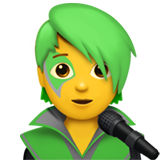 Apple
Apple
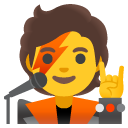 Google
 Twitter / X
 Facebook
🔗 Word Associations
The 🧑🎤 emoji is often associated with:
⌨️ How to type 🧑🎤
Or simply copy from this page!
👥 Related Emojis
📦 Other person-role Emojis
🌍 🧑🎤 Singer In Other Languages
Discover the name of the 🧑🎤 emoji in various languages:
Source: Unicode Common Locale Data Repository (CLDR)
❓ FAQ
:singer:. You can use it on platforms
like Slack, Discord, and GitHub.